Guides · Jensen Beach, Florida
Jensen Beach vs Vero Beach: How They Differ
Jensen Beach wears its losses openly. The vanished pineapple empire is the town’s founding story. The turtles that still nest on its sand are the living half of that history.
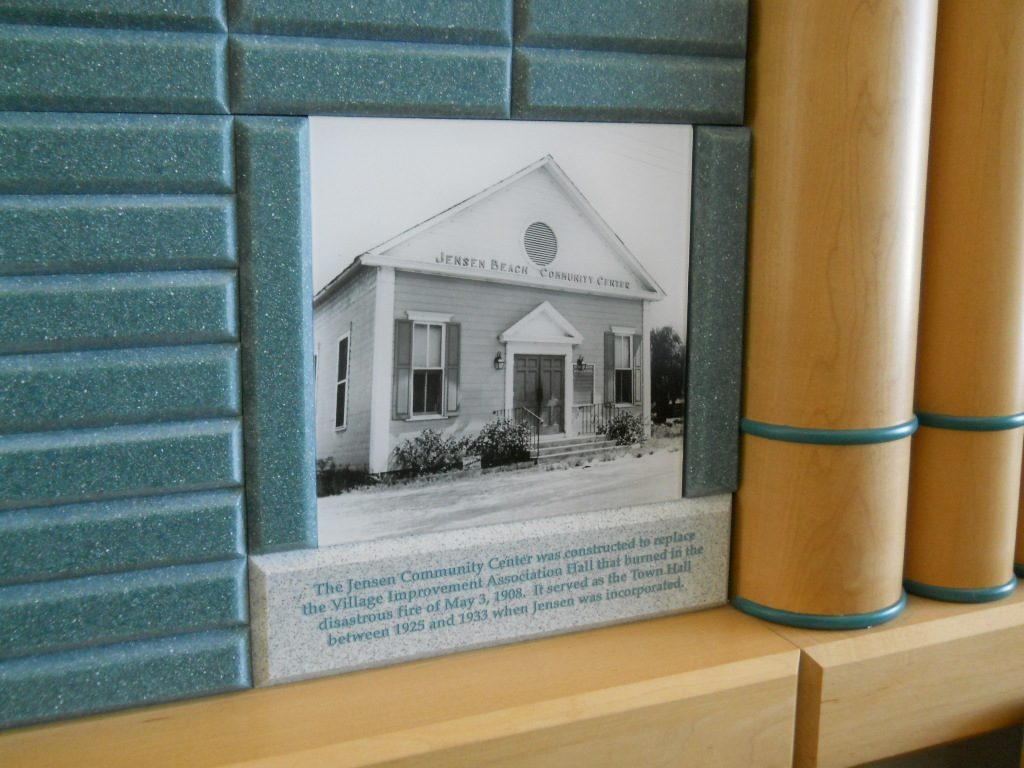
Jensen Beach's Pineapple History: Boom, Bust, and Legacy
John Laurence Jensen, a Danish immigrant, planted a pineapple plantation here in 1881. The town grew from his name and his crop. By 1895, Jensen was called the Pineapple Capital of the World, shipping more than a million boxes a year in the June and July season. The Florida East Coast Railway reached the town by 1894 and let growers load freight direct, which made the boom possible. Then it ended. A severe freeze in 1895, fires in 1908 and 1910, and mounting debt finished the industry by 1920, after which growers turned to citrus. The town carries its founder's name—Jensen, the Dane who planted the first pineapples—but the fruit itself is gone. That arc from ambition to collapse gives the place a different texture than Vero Beach, which grew more steadily and never had to reinvent itself after a single crop failed. Here, the past is not a backdrop; it is the reason the town is laid out the way it is. Quieter, less polished, shaped by what did not last.
Jensen Sea Turtle Beach: Nesting Grounds and What to Expect
The beach that bears the town's name is not a resort strip. Jensen Sea Turtle Beach is a nesting ground for loggerhead, leatherback and green sea turtles, and sections of it are barricaded through the nesting season to protect the eggs. The barriers are not decorative; they are the point. Visitors can walk the sand and see the blocked-off areas, but the turtles are the residents, and the town treats them that way. This is the living heritage Jensen Beach actually has—not a rebuilt pier or a shopping district, but a shoreline that closes itself off for a few months every year so that ancient animals can do what they have always done. Vero Beach's beachfront is built up and managed for continuous human use; Jensen Beach's is, in part, closed to humans by design. That difference is visible from the moment you arrive.
Indian River Lagoon: How Geography Shapes Jensen Beach's Feel
The Indian River Lagoon runs along the town's eastern edge, and it functions as a boundary between Jensen Beach and the open Atlantic. The waterfront here is not a wall of condos; it is a natural edge, where the water and the land meet without much mediation. The lagoon itself is the draw—slow water, bird life, a place to launch a kayak or just stand and look. Vero Beach's shoreline is more developed, with more infrastructure and more people moving through it. Jensen Beach's geography keeps it quieter: the lagoon separates the town from the ocean, and that separation is part of the appeal. You are near the water, but not on top of it. The town feels less like a destination and more like a place that happens to be next to a lot of water.
Jensen Beach Demographics: Who Lives There and Why It's Quiet
The census numbers tell the story of a place that is not always full. Of 7,179 total housing units, 633 are held for seasonal or recreational use, and 1,289 are vacant. The population is 12,456 people, with a median age of 54.5 years. The median household income is $63,397, and the median home value is $363,100, with a median gross rent of $1,227. The unemployment rate is 3.8 percent. These figures sketch a town of second homes and empty streets, where a significant share of the housing stock is not occupied year-round. That is not a criticism; it is the character. Jensen Beach is a place people come to for part of the year, and the quiet that results is part of why they come. Vero Beach has a more continuous population and a fuller calendar; Jensen Beach has gaps, and those gaps are its personality.
Day Trips from Jensen Beach: Stuart, Okeechobee, and More
Jensen Beach works well as a base, because it is close to other towns that offer more structured activity. Stuart is 3 miles away and hosts the Stuart Boat Show. Okeechobee is 41 miles west, with the Speckled Perch Festival and Parade. Sebastian is 41 miles north, home to the Sebastian Clambake Lagoon Festival. Arcadia is 112 miles away, with the Arcadia All-Florida Championship Rodeo, and Oviedo is 118 miles north, with Great Day in the Country. Everglades City is 124 miles south, with the Everglades Seafood Festival. Jensen Beach is the quiet home base; the day trips are the activity. Vero Beach, by contrast, is more of a self-contained destination, where you might not feel the need to go anywhere else. Here, the town's quiet is an invitation to look outward.
Is Jensen Beach Right for You? Pros and Cons vs Vero Beach
Choose Jensen Beach if you want a town that does not pretend to be what it is not. The pineapple industry is gone, and the town does not try to resurrect it; it just lives with the history. The turtles are the current claim to fame, and they are a seasonal one. The census shows a place of second homes and empty streets, with a median age over 54 and a housing stock that is not always occupied. That means quiet, and quiet is the product. Visitors should expect a slower pace, a natural shoreline, and a town that is more interested in its own past than in courting attention. Vero Beach offers more continuous development and a fuller calendar; Jensen Beach offers the opposite. If you want to be near the water without the crowds, and if you are willing to accept that the town's best feature is a beach that closes itself off for part of the year, this is the place.
| Aspect | Jensen Beach | Vero Beach |
|---|---|---|
| Defining history | Pineapple boom (1881–1920), then collapse | More continuous growth, no single crop failure |
| Beach character | Barricaded nesting sections for turtles | More developed, built-up beachfront |
| Waterfront feel | Natural lagoon edge, less infrastructure | More managed and accessible shoreline |
| Demographics | 633 seasonal homes, 1,289 vacant units, median age 54.5 | More year-round population, fuller calendar |
| Day-trip role | Base for Stuart and other nearby towns | More self-contained destination |
Common questions
- How did Jensen Beach get its name?
- It's named for John Laurence Jensen, a Danish immigrant who planted a pineapple plantation here in 1881. The town grew from his plantation, and it carries his name—Jensen, the Dane who planted the first pineapples.
- What happened to the pineapple industry in Jensen Beach?
- By 1895, Jensen was the Pineapple Capital of the World, shipping over a million boxes a year. But a severe freeze in 1895, fires in 1908 and 1910, and mounting debt ended it by 1920. Growers then turned to citrus.
- Can I see sea turtles in Jensen Beach?
- Yes. Jensen Sea Turtle Beach is a nesting ground for loggerhead, leatherback, and green sea turtles. Sections are barricaded through the nesting season to protect them.
- What is the Indian River Lagoon like in Jensen Beach?
- It runs along the town's eastern edge. It's a major estuarine system, good for boating, fishing, and wildlife viewing, and it's central to the area's coastal character.
- Is Jensen Beach a good place to live or retire?
- The median age is 54.5 years, suggesting many retirees. Median home value is $363,100, median gross rent is $1,227, and unemployment is low at 3.8%. It's a small town of about 12,456 people.
- How far is Jensen Beach from Stuart?
- Stuart is just 3 miles away. You can easily visit for the Stuart Boat Show, while staying in Jensen Beach's quieter, turtle-focused setting.
Every business named above is one we hold a listing for, and every date traces to a source on our sources page. We do not describe menus, interiors or service we have not verified. Details change — confirm before you travel.