Guides · Jensen Beach, Florida
Jensen Beach Florida History: Pineapples to Turtles
Jensen Beach’s quiet streets and guarded turtle nests read like the aftermath of a pineapple boom that lasted barely four decades. The rise and fall is still legible in the town’s name, its layout, its seasonal rhythms.
Jensen Beach's Rise as the Pineapple Capital
In 1881, John Laurence Jensen, a Danish immigrant, planted a pineapple plantation on this stretch of Florida’s east coast. The town that grew from it carried his name. By 1895, Jensen was called the Pineapple Capital of the World, shipping more than a million boxes a year in the June and July season. The Florida East Coast Railway reached the town by 1894, letting growers load freight direct. Then came the silence.
A severe freeze in 1895, fires in 1908 and 1910, and mounting debt finished the industry by 1920. The town is defined by that loss, not by what replaced it.
Streets Named for Founder John Jensen
The most visible remnant of the pineapple era is the name itself—Jensen, the Dane who planted the first pineapples. The town’s layout still carries his mark, a grid of streets and avenues that grew from his plantation. This naming is not a plaque or a museum; it is the everyday address of the people who live here. It says that one immigrant’s ambition was enough to build a place, and that the place chose to remember him even after the crop that made his name famous was gone. The streets are quiet. They are not anonymous.
Timeline: Railway, Freeze, and Fires
The boom had three acts. Each one was a step toward the bust.
| Year | What Happened |
|---|---|
| 1881 | John Laurence Jensen planted his pineapple plantation; the town grew from it. |
| 1894 | The Florida East Coast Railway reached the town, allowing growers to load freight direct. |
| 1895 | A severe freeze hit; Jensen was still called the Pineapple Capital of the World, shipping over a million boxes that season. |
| 1908 | Fires struck the town and its industry. |
| 1910 | More fires followed, deepening the damage. |
| 1920 | Mounting debt finished the pineapple industry; growers turned to citrus. |
The railway made the boom possible. The freeze tested it. The fires broke it. The debt finished it. Each event is a chapter in a story that took less than four decades to complete.
Citrus Replaces Pineapples in Jensen Beach
After 1920, growers turned to citrus. The pineapple fields gave way to orange and grapefruit groves, and the packing history that followed shaped the rural edges of the town. Where pineapples had been the cash crop, citrus became the steady, less spectacular successor. The landscape today—the open acreage, the packing sheds that once served a different fruit—still carries the echo of that shift. The economy changed. The land stayed in cultivation, just with a different crop.
Sea Turtle Nesting at Jensen Beach
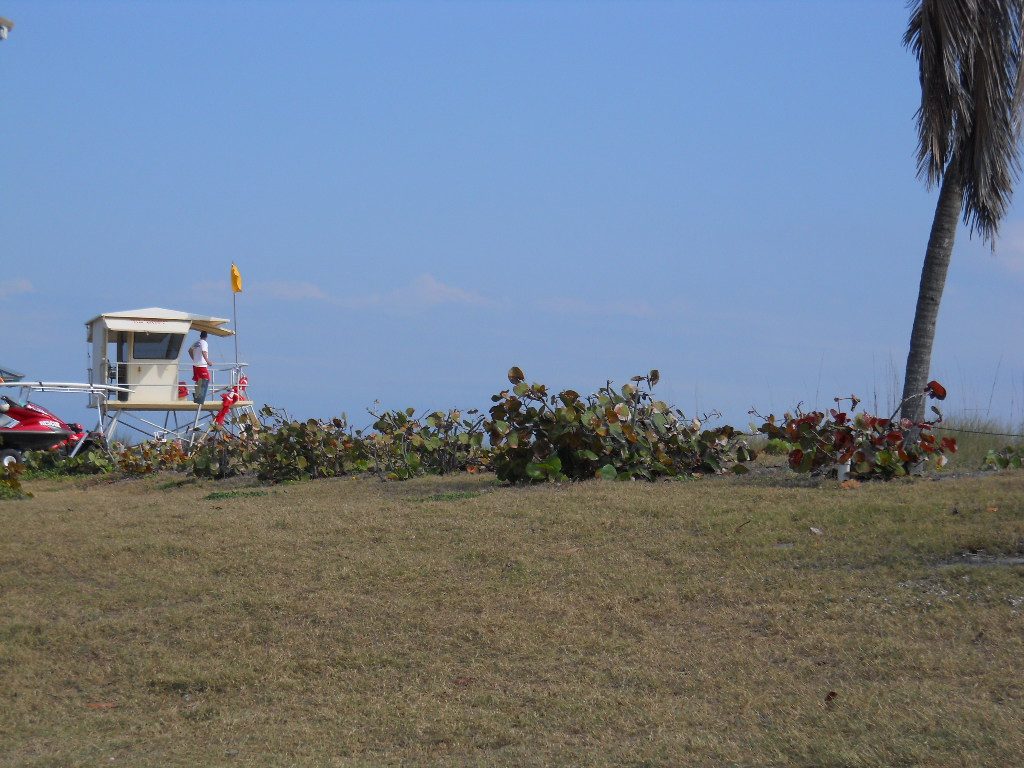
Along the town’s eastern edge, the Indian River Lagoon meets Jensen Sea Turtle Beach, a nesting ground for loggerhead, leatherback, and green sea turtles. Through the nesting season, sections of the beach are barricaded to protect the nests. These turtles are the natural counterpoint to the human story of boom and bust. The pineapples came and went in a few decades. The turtles return every year, on a schedule that predates the town and will outlast it. The barricades are the town’s way of acknowledging that some things are worth protecting, even when they offer no crop and no profit.
Jensen Beach Demographics and Housing Today
The census figures describe a town that has settled into a different kind of life. The population is 12,456 people, with a median age of 54.5 years. Of the 7,179 total housing units, 633 are held for seasonal or recreational use, and 1,289 are vacant. The median home value is $363,100, and the median gross rent is $1,227. The median household income is $63,397, with an unemployment rate of 3.8 percent. A third of residents—36.6 percent—hold a bachelor’s degree or higher.
This is a quiet, older, partly seasonal community. The vacancies and seasonal homes speak to a place people visit and leave, much like the pineapples that once came and went with the June and July season. The median age suggests a town not growing younger, but settling into a slower rhythm. The high home values and education level point to a place that has been discovered. Not loudly.
The town’s name is the legacy of a Danish immigrant’s plantation. Its streets are the grid of that ambition. Its quiet is the aftermath of a boom that ended in debt and fire. And its turtles are the proof that some cycles outlast all the others.
Common questions
- What happened to the pineapple industry in Jensen Beach?
- John Laurence Jensen planted the first pineapples in 1881, and by 1895 the town shipped over a million boxes a year. But a severe freeze in 1895, fires in 1908 and 1910, and mounting debt finished it by 1920. Growers then turned to citrus.
- Why is it called Jensen Beach?
- It's named after its founder, John Laurence Jensen, a Danish immigrant who planted a pineapple plantation here in 1881. The town grew from that plantation, and the name stuck.
- Can I see sea turtles on the beach?
- Yes, Jensen Sea Turtle Beach is a nesting ground for loggerhead, leatherback, and green sea turtles. During nesting season, sections of the beach are barricaded to protect the nests.
- What's the Indian River Lagoon like?
- The Indian River Lagoon runs along the town's eastern edge. It's a major estuarine system, and you can see it from the beach area. It's part of the town's natural character, especially alongside the turtle nesting beaches.
- Is Jensen Beach a good place to live or just visit?
- The median age is 54.5, and 36.6% of residents have a bachelor's degree or higher. Median home value is $363,100, and median gross rent is $1,227. With a 3.8% unemployment rate and median household income of $63,397, it's a settled community.
- What are the nearby towns for day trips?
- Stuart is 3 miles away and hosts the Stuart Boat Show. Okeechobee (41 miles) has the Speckled Perch Festival, and Sebastian (41 miles) has the Clambake Lagoon Festival. Further afield are Arcadia (112 miles), Oviedo (118 miles), and Everglades City (124 miles).
Every business named above is one we hold a listing for, and every date traces to a source on our sources page. We do not describe menus, interiors or service we have not verified. Details change — confirm before you travel.